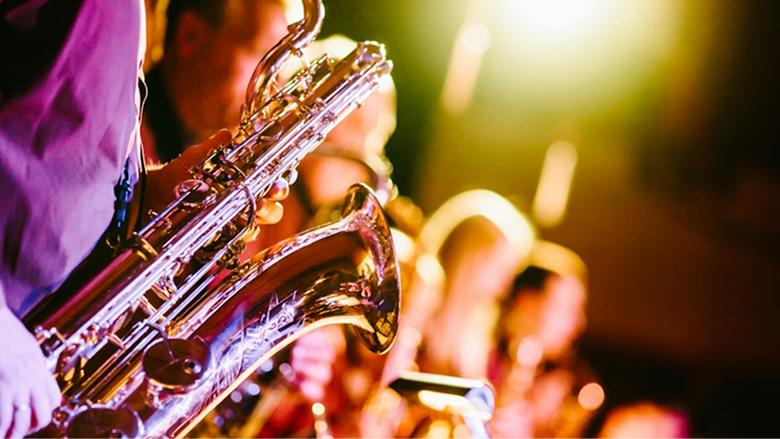
The KAWA Jazz Jam: How a Weekly Session Became Calgary’s Most Important Room
Every Tuesday night, something unrepeatable happens in a room on Centre Street. We went to find out why the KAWA Jazz Jam keeps drawing musicians back. It starts the same way every week. Around eight o'clock, a bassist arrives, sets...

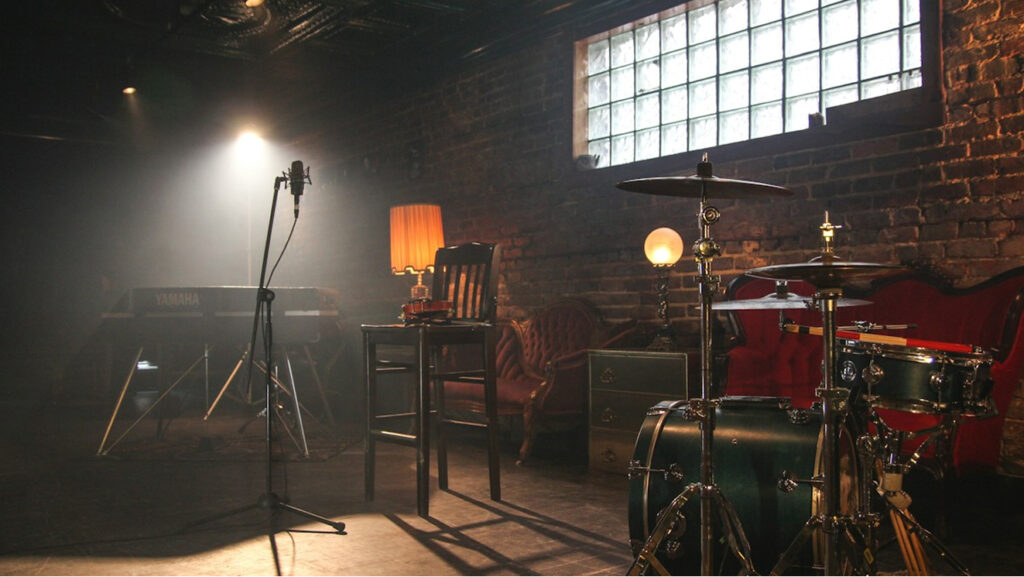
Every Tuesday night, something unrepeatable happens in a room on Centre Street. We went to find out why the KAWA Jazz Jam keeps drawing musicians back.
It starts the same way every week. Around eight o’clock, a bassist arrives, sets up without ceremony, and tunes. By eight-thirty there are six or seven musicians on the small stage and twice as many waiting their turn near the bar. By nine, the room has shifted. Something is happening that wasn’t happening before. This is the KAWA Jazz Jam — and for a significant portion of Calgary’s working musicians, it is the most important room in the city.
The jam has been running, in various forms and under various names, since 2014. For the past four years it has lived at its current home on Centre Street North — a mid-century bar with low ceilings, good acoustics by accident, and an owner who has never once asked the musicians to turn it down. It is not glamorous. The sound system is adequate. The sightlines from the back are poor. None of that seems to matter.
“You can play the same standard a hundred times, and then one Tuesday it just opens up and becomes something else entirely.”
“You can play the same standard a hundred times,” she says, “and then one Tuesday it just opens up and becomes something else entirely. You don’t get that in rehearsal. You don’t get it in a show where you’re thinking about the set list and the lights and what’s next. You get it here, in the room, when something goes sideways and you follow it.”
The Economics of the Open Stage
Running a weekly jam is not a financially obvious proposition. The venue pays the house band a flat rate. The guest musicians receive nothing — this is the convention — though the bar’s tip jar is quietly generous. What makes the numbers work, if they work at all, is volume: a good night draws forty or fifty people who might not otherwise have come out mid-week.
JazzYYC has supported the jam since 2021 — not financially, but through promotion, documentation, and what program director Idil Hassan describes as “keeping it in the conversation.” The organization’s calendar lists the jam every week. When a visiting artist comes through town for a JazzYYC concert, the jam is where they’re encouraged to spend Tuesday night.
“We’ve had some extraordinary sit-ins,” Hassan says. “Artists who played a ticketed show on Saturday and then showed up Tuesday with no announcement, no expectation, just to play with whoever was there. Those nights don’t get documented. There’s no recording. You either were in the room or you weren’t.”
“Those nights don’t get documented. There’s no recording. You either were in the room or you weren’t.”
What Makes a Room
There’s a phrase musicians use — “the room plays itself” — to describe a space where everything seems to conspire toward good music. Bad acoustics can kill a performance before it starts. So can a crowd that’s not listening, or a house rhythm section that’s running through the changes on autopilot. The KAWA room, on its best nights, plays itself.
Drummer Kofi Acheampong, who has anchored the house band for three years, attributes this partly to the regularity of the event and partly to the community of people who show up. “When the same players come back week after week, you develop a vocabulary together,” he says. “You know how each person hears, how they like to be set up. That makes the music different. It’s not strangers improvising — it’s a community improvising.”
The jam runs until midnight or later on good nights. By the end, the crowd has usually thinned to the musicians, a few dedicated listeners, and the bartender. The conversations that happen in that last hour — about the music, about what worked and what didn’t, about what to try next week — are, by most accounts, as valuable as anything that happened on the bandstand. This, too, is what a room is for.